








Choosing a packaging partner is a strategic decision that goes far beyond selecting a supplier. The right partner can support efficient operations, consistent quality, and long-term business growth, while the wrong choice can lead to hidden costs, production challenges, and ongoing inefficiencies.
Many businesses still evaluate packaging partners primarily based on unit price or visual design. In practice, factors such as manufacturing capabilities, process understanding, reliability, and the ability to scale often have a far greater impact on day-to-day performance and overall cost. Packaging influences how products are packed, handled, stored, and delivered across the entire supply chain.
Manufacturing Capabilities and In-House Production
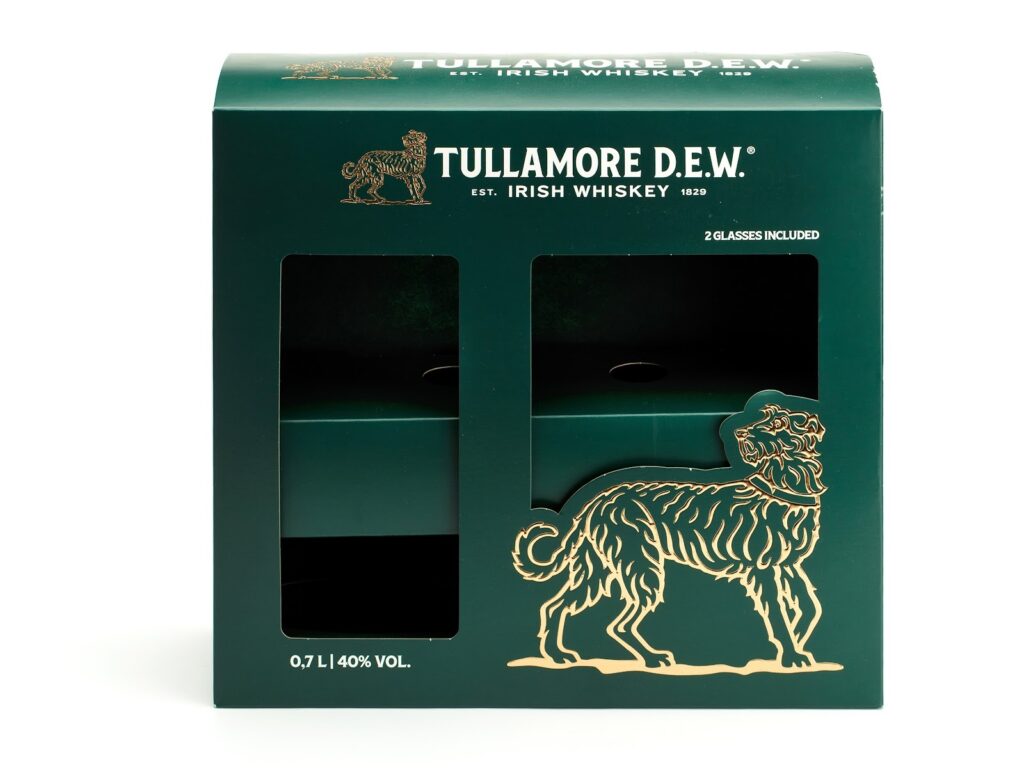
One of the first things to evaluate when choosing a packaging partner is whether you are working with a manufacturer or a reseller. Manufacturers control the production process, while resellers rely on third parties, which can limit flexibility, transparency, and responsiveness.
Strong manufacturing capabilities indicate that a partner can manage quality, timelines, and consistency internally. This includes having appropriate equipment, sufficient production capacity, and the technical expertise to handle different packaging constructions and materials. A partner with in-house production is better positioned to adapt to changing requirements and maintain stable output as volumes increase.
These factors directly affect quality and reliability. When production is controlled internally, quality standards can be applied consistently, issues can be addressed faster, and risks related to delays or inconsistencies are reduced. For businesses, this translates into more predictable operations and fewer disruptions across packing and logistics processes.
Understanding of Packing and Production Processes
A reliable packaging partner should demonstrate a clear understanding of how packaging is actually used in production. This goes beyond technical drawings or specifications and includes awareness of packing speed, handling methods, workflow constraints, and human factors on the production floor.
Packaging that is designed for real use supports faster and more consistent packing. When structures are intuitive, stable, and suited to the actual packing process, employees can work more efficiently with fewer interruptions. This reduces the need for improvisation, repeated handling, or corrective actions during daily operations.
Process-aware structural design also has a direct impact on labour costs and error rates. Poorly aligned packaging can slow down packing lines, increase fatigue, and lead to mistakes that require rework or result in damaged products. In contrast, packaging developed with production realities in mind helps minimise errors, stabilise output, and improve overall operational efficiency.
Scalability and Long-Term Reliability
When choosing a packaging partner, it is important to consider not only current needs but also future growth. A reliable partner should be able to support increasing volumes without compromising quality, delivery times, or operational stability. This requires sufficient production capacity, well-managed processes, and the ability to plan for scale.
Consistency over time is just as critical. Packaging that performs well today must continue to do so month after month, even as volumes fluctuate or expand. Stable materials, repeatable production processes, and controlled quality systems help ensure that packaging remains predictable and dependable as the business evolves.
Frequent changes in packaging partners often lead to disruptions, additional costs, and internal inefficiencies. Working with a partner that can grow alongside your business reduces the need for repeated transitions, minimises risk, and supports smoother long-term operations.
Communication, Flexibility, and Problem-Solving
Effective communication is a critical factor when choosing a packaging partner. A reliable partner should be responsive, transparent, and easy to work with, especially when questions, changes, or challenges arise. Clear communication helps prevent misunderstandings and ensures that issues are addressed before they affect production or delivery.
Flexibility is equally important. Business needs evolve, volumes change, and unexpected situations occur. A strong packaging partner should be willing to adapt to new requirements, timelines, or constraints without disrupting operations. This ability to adjust while maintaining quality and consistency adds significant value over time.
Finally, it is important to distinguish between a transactional supplier and a true partner. A transactional approach focuses solely on selling products, while a partnership mindset prioritises long-term collaboration and problem-solving. Packaging partners who take the time to understand your business are better positioned to support stability, efficiency, and sustainable growth.
Red Flags When Choosing a Packaging Partner
When evaluating potential packaging partners, certain warning signs can indicate higher risk and potential long-term issues. Being aware of these red flags helps avoid costly mistakes:
- Price-only focus: If conversations revolve solely around unit price, it often means other critical factors are being ignored. Packing efficiency, labour impact, quality stability, and scalability may not be properly considered, leading to higher total costs over time.
- Lack of process understanding: Partners who cannot explain how packaging performs during real packing, handling, or logistics often design solutions in isolation. This increases the risk of slow packing, higher error rates, and the need for rework once production begins.
- Limited production transparency: Unclear information about where packaging is produced, how quality is controlled, or how capacity is managed can signal reliability issues. Transparent manufacturing processes are essential for consistent delivery, quality assurance, and long-term trust.
Recognising these red flags early can save businesses significant time, cost, and operational frustration. Choosing the right packaging partner is not just about avoiding problems today, but about ensuring stability, efficiency, and growth in the long term.
Green Flags When Choosing a Packaging Partner
The right packaging partner should contribute to smoother operations, better predictability, and long-term business efficiency. These green flags signal that a supplier is thinking beyond short-term transactions and is equipped to support your business as it grows.
- Manufacturer-led approach, not pure resale: A true manufacturer understands materials, structures, and production constraints firsthand. This typically results in better technical guidance, more realistic timelines, and solutions that actually work in practice.
- Strong understanding of packing and production processes: A good partner asks how your products are packed, handled, and shipped. They consider packing speed, labour input, and error reduction—not just how the packaging looks on a screen.
- Clear production capabilities and transparency: Visibility into equipment, capacity, and production methods indicates reliability. Partners who are open about how and where packaging is produced are usually better prepared to deliver consistent quality.
- Focus on long-term efficiency: Green-flag suppliers discuss total cost of ownership, including labour, packing time, logistics efficiency, and waste reduction. This signals a strategic mindset rather than a price-driven sales approach.
- Proactive communication and problem-solving: Strong partners communicate clearly, flag potential issues early, and suggest improvements. This reduces disruptions and helps prevent small issues from becoming costly delays.
- Scalability built into their thinking: A reliable packaging partner plans for growth. They design solutions that can support increasing volumes without requiring constant redesigns or supplier changes.
In practice, these green flags point to one thing: a packaging partner who sees themselves as part of your operation, not just a supplier. This kind of collaboration leads to more stable processes, lower operational risk, and better long-term results.
Trustpack’s Approach
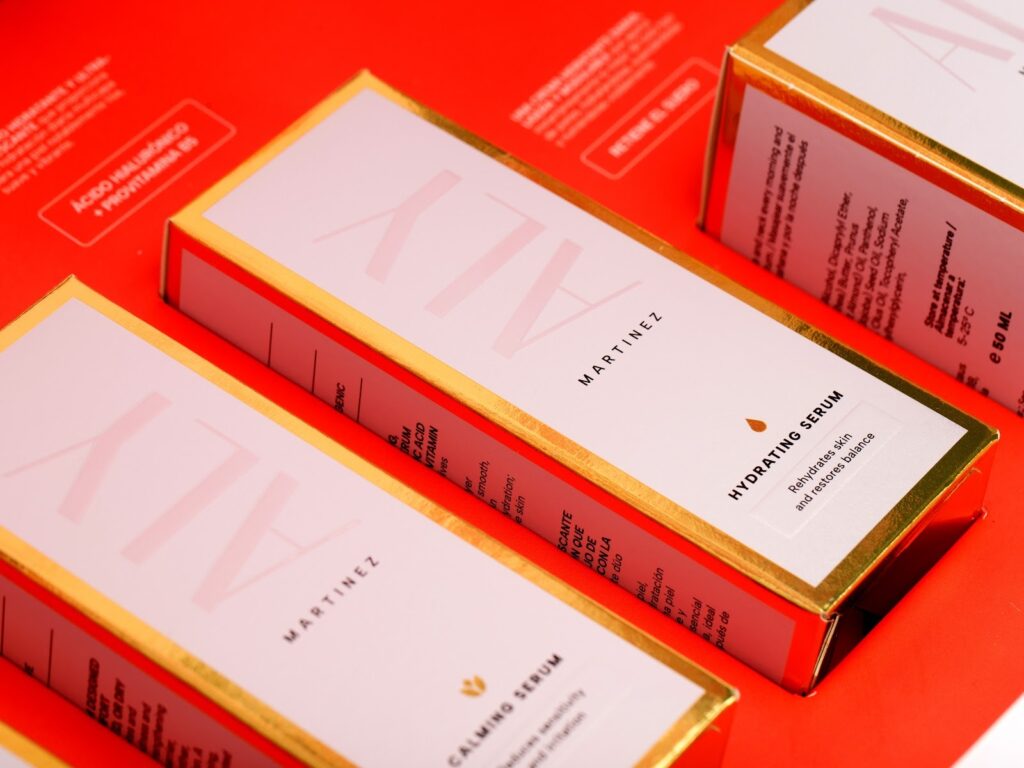
At Trustpack, packaging is approached as part of the production process, not as a standalone product. As a manufacturer, we focus on how packaging performs in real operations—how efficiently it can be packed, how reliably it protects products, and how consistently it supports growing volumes.
Our team works closely with businesses to understand their packing workflows, operational constraints, and long-term goals. This allows us to develop packaging solutions that prioritise efficiency, stability, and predictable quality over time.
If you are evaluating packaging partners or reconsidering your current setup, we invite you to contact Trustpack and discuss your requirements.