





The packaging landscape in Finland is evolving at a rapid pace. Once dominated by traditional practices, the market is now influenced by a combination of regulatory change, evolving consumer expectations, and ambitious sustainability targets. These factors are redefining how packaging solutions are evaluated, selected, and implemented across industries.
As the European Packaging and Packaging Waste Regulation (PPWR) takes full effect in August 2026, businesses must adapt to new packaging requirements. Companies looking to succeed in Finland’s packaging sector must not only keep an eye on global trends but also understand how these shifts play out within the unique Finnish context.
How Regulation Will Drive Strategic Packaging Decisions in 2026
One of the key forces shaping the packaging landscape in Finland in 2026 is the European Packaging and Packaging Waste Regulation (PPWR). According to the European Commission, the PPWR will come into full effect on 12 August 2026, fundamentally transforming market practices. Its objective is to establish truly circular packaging systems by reducing waste, mandates for high recyclability, and harmonising standards across all EU markets.
Finland already operates high-performing Extended Producer Responsibility (EPR) systems, but starting in 2026, regulatory expectations will become significantly more detailed. As the PPWR takes hold, producers will face increased pressure to ensure every package is designed for a circular lifecycle. This shift is forcing companies to evaluate which strategy, high-quality recycling or reuse models, best fits their specific product categories and operational goals.
In practical packaging terms, this means:
- Prioritising monomaterial constructions: A shift toward fibre-based packaging that is fully compatible with existing high-speed recycling streams.
- Eliminating complexity: Moving away from hard-to-separate material combinations (multi-layer laminates) that hinder recycling.
- Material efficiency: Utilising packaging that uses the minimum amount of material necessary while maintaining structural integrity.
- Strategic alignment: Evaluating reuse or refill models where they are operationally viable, while relying on proven recycling loops for high-volume consumer goods.
Investment in sorting and processing infrastructure continues to grow, though progress varies significantly by material. Finland’s fibre recycling performance remains a global benchmark for success, whereas plastic recycling continues to face technical and economic hurdles. These realities are making fibre-based packaging the strategic choice for businesses looking to ensure compliance and sustainability as we approach 2026.
The Shift Towards Fibre and Bio-Based Materials
Material choice is one of the most defining packaging trends shaping Finland in 2026. This reflects a strategic alignment between regulatory direction and growing consumer expectations for plastic-free solutions. Finland’s packaging sector benefits from access to sustainable, renewable raw materials, with around 69% of exports being fibre-based.
Fibre‑based packaging has evolved significantly. Once limited mainly to secondary protection, high-quality folding boxboard and solid board now enter areas historically dominated by plastics:
- Enhanced barrier structures that allow paper-based materials to handle moisture and grease.
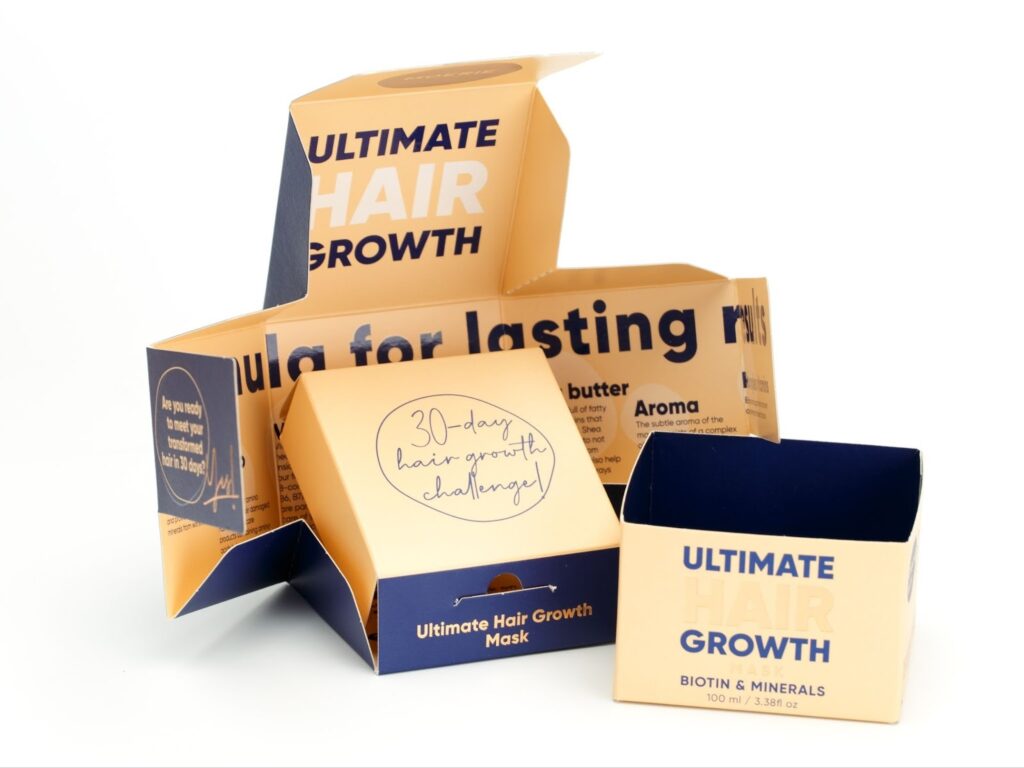
- Precision-engineered folding constructions that protect delicate products with high structural integrity.
- Sophisticated finishing techniques that deliver premium brand experiences without the need for plastic laminates.
Beyond fibre, Finland is leading innovation in bio-based materials derived from wood pulp or by-products. These sustainable alternatives to traditional plastics offer biodegradability without compromising performance. Bio-based packaging films, structural materials, and substitutes for expanded polystyrene are gaining traction, providing brands with credible sustainability credentials. A practical example of advanced fibre innovation is the development of 3D wood-fibre packaging in Finland, which research suggests could replace certain fossil-plastic applications with recyclable, renewable alternatives while preserving performance characteristics.
Together, fibre-based and bio-based materials form a central pillar of Finland’s packaging trends for 2026, supporting performance requirements across retail, food, pharmaceutical, and e-commerce packaging.
Key Trends Shaping Finnish Packaging
In 2026, packaging in Finland increasingly focuses on functionality, efficiency, and reliability. Packaging must perform consistently throughout production, storage, and transport, while meeting sustainability and regulatory expectations.
Smart and Efficient Packaging
Rather than just focusing on aesthetics, Finnish packaging trends highlight smarter use of proven production processes. These trends show that functionality and efficiency are just as important as appearance when it comes to packaging success. This includes:
- Optimised constructions for high-speed automated packing lines
- Traceability and consistency, especially critical in the pharmaceutical and food sectors
- Material efficiency, reducing waste by using the exact board grade needed for the required strength
Such constructions are particularly relevant in food, beverage, and pharmaceutical packaging, where consistency and reliability are essential, helping brands deliver safe and high-quality products to consumers every time.
Performance-Driven Packaging Structures
Performance-driven packaging is increasingly optimised to improve protection, durability, and logistics performance. Attention is placed on how packaging behaves in real conditions, including cold temperatures, long transport distances, and automated handling.
This focus supports:
- Reduced product damage through superior structures
- Compatibility with global recycling systems
- Reliable performance in varied climates, ensuring the package remains intact from factory to consumer
Across the Finnish market, packaging performance is becoming as important as material choice, especially as regulatory requirements tighten. Reliable performance under cold conditions and long transport distances is now a baseline expectation rather than a differentiator.
Understanding Finnish Consumer Behaviour and Expectations
Finnish consumers are among the most sustainability-conscious in Europe, with high expectations for reliable, recyclable carton packaging that performs effectively within established collection and recycling systems. Surveys show strong confidence in recycling habits, with over 80% of consumers stating they recycle paper-based packaging and 90% reporting consistent recycling of carton packaging used for everyday consumer products. These behaviours directly influence how brands and manufacturers approach packaging decisions as we move toward 2026.
A growing share of Finnish consumers are willing to pay a premium for packaging that is recyclable, responsibly produced, and compliant with recognised environmental standards. This preference is not driven by abstract sustainability claims, but by trust in packaging solutions that work in practice, meet regulatory requirements, and align with local waste management infrastructure.
As a result, expectations in the Finnish market focus on:
- Carton packaging compatible with existing recycling systems
- Measured environmental impact across production and use
- Certified, scalable packaging solutions suitable for food, beverage, pharmaceutical, and premium products
Older demographics play an important role in shaping these expectations. Compared to younger consumers, they tend to recycle more consistently and value proven, trustworthy solutions. This reinforces demand from businesses, particularly in food, beverage, cosmetics, and healthcare, for carton packaging that meets strict quality, safety, and sustainability criteria, supported by recognised certifications and transparent production practices.
In this context, consumer behaviour is not merely responding to trends, but actively shaping demand for high-quality carton packaging solutions that combine reliability, regulatory compliance, and real-world recyclability. By 2026, successful packaging strategies in Finland will be those that strengthen consumer trust while meeting EU sustainability requirements and operational realities within the local market.

Strategic Implications for 2026 and Beyond
The Finnish packaging market in 2026 will be defined by regulatory compliance, sustainability requirements, and reliable packaging performance. While challenges remain, particularly in logistics efficiency and demanding climatic conditions, packaging that performs consistently within existing recycling and operational systems will remain a competitive advantage.
To remain competitive, businesses should focus on:
- High-quality carton packaging solutions that support circularity and meet regulatory requirements
- Packaging that improve logistics efficiency and handling across the supply chain
- Balanced approaches that combine operational efficiency with clear consumer communication
- Robust constructions aligned with current and future recycling systems
Taking a strategic approach will allow businesses to transform packaging into an asset that meets the demands of 2026, supporting compliance, operational efficiency, and long-term market trust.
Trustpack works closely with food, beverage, pharmaceutical, and premium brands, providing top-quality carton packaging, offset printing, fast prototyping, and certified sustainable production. With this expertise, Trustpack has become a reliable partner for packaging solutions across Finland, the Nordics, and wider European markets.
Ready to prepare your packaging for the demands of 2026?
Contact Trustpack to discuss how smart, sustainable packaging constructions can support your operational goals across Finnish, Nordic, and European markets.