








Beverage packaging plays a critical role in how drinks are protected, transported, and presented to the market. Unlike many other product categories, beverages place higher demands on packaging due to weight, liquid content, and the need for reliable stability throughout the supply chain. For producers and brands, packaging decisions directly affect product safety, logistics efficiency, and overall operational costs.
In the beverage industry, packaging is not only about appearance or sustainability. It must perform consistently during filling, packing, storage, and transport, often at high volumes and under tight timelines. Poorly chosen packaging can lead to damaged products, inefficient handling, and increased returns, all of which impact profitability and brand reputation.
This article explores what matters most when selecting beverage packaging solutions. From structural requirements and logistics efficiency to sustainability and manufacturing considerations, we look at how the right packaging choices support reliable operations and long-term growth for beverage producers and brands.
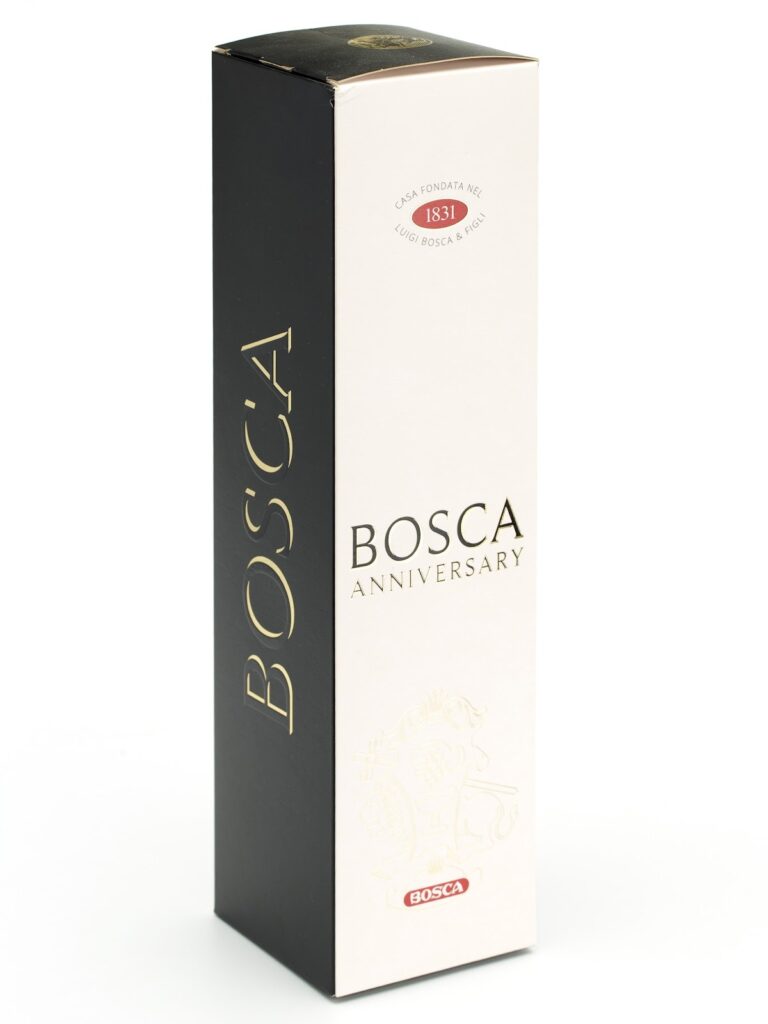
What Makes Beverage Packaging Different from Other Packaging Types
Beverage packaging comes with specific requirements that set it apart from packaging used for dry or lightweight products. These differences must be addressed to ensure product safety and efficient operations.
- Liquid weight and structural stability: Beverages add significant weight to packaging. Secondary packaging must be strong enough to support bottles, cans, or cartons without bending or collapsing during handling, stacking, or transport.
- Importance of sealing and protection: Beverage packaging must protect primary containers from pressure, vibration, and impact. Even small failures can result in leaks, damaged products, or contamination, leading to financial losses and returns.
- Transport and storage challenges: Beverage products are typically shipped in large volumes and stacked on pallets. Packaging must ensure stable stacking, prevent movement, and maintain integrity throughout storage and long-distance transport.
Because of these factors, standard packaging solutions that work for other product categories often do not perform well for beverages. Purpose-built beverage packaging structures are essential to meet safety, logistics, and efficiency requirements.
Packaging Requirements for Beverages
For beverage producers and brands, packaging requirements go far beyond basic containment. Secondary beverage packaging must protect products, support efficient handling, and reinforce brand value, all while performing reliably in transport and storage. This is where construction quality and material choice become critical.
Protection and Structural Strength
Beverage products are heavy and sensitive to movement, which makes structural strength a key requirement for secondary packaging. Packaging must withstand weight, pressure, and mechanical stress during packing, palletising, and transport. Well-designed cardboard constructions help keep bottles or cans stable, reduce the risk of damage, and ensure safe delivery across the supply chain.
Stable structures also support consistent handling in warehouses and during distribution. When secondary packaging is engineered for strength and balance, it minimises product shifting and protects both individual items and multipacks from external impacts.
Compatibility with Primary Packaging
Secondary beverage packaging must be precisely adapted to the primary packaging it holds. Whether used for individual bottles, multipacks of cans, or gift sets that combine beverages with glasses, the packaging structure needs to match the product’s weight, shape, and intended use.
The role of secondary packaging is to secure primary containers, simplify handling, and improve presentation. Properly designed solutions allow beverage producers to package products efficiently while ensuring that the final presentation remains attractive and functional for retail, gifting, or display purposes.
Hygiene and Safety Expectations
Although secondary packaging does not come into direct contact with beverages, hygiene and production control remain essential. Packaging must be produced in clean, controlled environments using materials suitable for food-related applications. Consistent quality control ensures that packaging is safe, reliable, and suitable for use throughout the beverage supply chain.
High-quality materials and controlled manufacturing processes also support print accuracy and surface finishes, which are especially important for premium beverage packaging where appearance and brand perception play a significant role.
Secondary beverage packaging must combine strength, compatibility, and controlled production to perform reliably in real conditions. When these requirements are met, packaging supports both operational efficiency and a consistent, high-quality brand presentation.
Beverage Packaging and Logistics Efficiency
Logistics efficiency is a critical factor in beverage packaging due to the weight and volume of liquid products. Secondary packaging structures must support stable palletisation and efficient use of space to ensure safe and cost-effective transport. Well-designed beverage packaging allows products to be stacked securely on pallets, reducing movement during transit and improving overall transport stability.
Optimised structures also help maximise space utilisation in warehouses and transport vehicles. Packaging that is designed with precise dimensions and strong geometry allows businesses to reduce wasted space, lower transport costs, and simplify storage planning. These efficiencies become especially important when shipping large volumes or distributing products across longer distances.
Reducing damage and returns is another key benefit of well-engineered beverage packaging. Stable constructions help protect bottles, cans, or multipacks from impact and shifting, significantly lowering the risk of breakage or deformation. In the beverage sector, where damaged goods often result in complete product loss, effective packaging construction plays a direct role in protecting margins and maintaining reliable supply chains.
Sustainability in Beverage Packaging
In Nordic markets such as Sweden, sustainability is not a competitive advantage but a basic requirement. Beverage producers and brands are expected to choose packaging solutions that meet environmental standards as a minimum, while also supporting efficient operations and long-term responsibility.
Paper and cardboard beverage packaging play an important role in meeting these expectations. Well-designed secondary packaging made from recyclable materials supports established waste management systems and aligns with market preferences for responsible material choices. At the same time, cardboard solutions offer the strength and reliability needed to safely transport heavy beverage products.
Material efficiency is another key factor in reducing environmental impact. Packaging structures that use only the necessary amount of material help lower overall resource consumption and reduce CO₂ emissions across production and transport. By optimising construction and material use, beverage packaging can support sustainability goals without compromising performance or visual quality.

Why Beverage Brands Should Work Directly with a Packaging Manufacturer
Choosing who develops and produces beverage packaging has a direct impact on how well packaging performs in everyday operations. Working directly with a manufacturer allows packaging to be aligned with real production, logistics, and growth requirements.
Packaging designed with production realities in mind
Working directly with a manufacturer ensures that packaging structures are developed based on material behaviour, construction limits, and real manufacturing conditions, not theoretical assumptions.
Construction aligned with real packing processes
Manufacturers understand how packaging is assembled, filled, handled, and palletised. This allows packaging to support consistent packing speed, reduced errors, and smoother daily operations.
Stability as volumes grow
Packaging solutions developed by a manufacturer remain reliable when order quantities increase. This helps beverage brands scale without frequent changes, process disruptions, or additional investments in new packaging formats.
By partnering with a packaging manufacturer, beverage brands gain solutions that are built for long-term use, operational efficiency, and predictable growth rather than short-term convenience.
Trustpack Beverage Packaging Solutions
Trustpack approaches beverage packaging from a manufacturer’s perspective, focusing on structures that perform reliably in packing, logistics, and distribution. Packaging solutions are developed with production efficiency, material strength, and visual quality in mind.
With extensive experience in secondary beverage packaging, Trustpack designs and manufactures solutions for multipacks, bottle packaging, gift sets, and premium beverage boxes. Each solution is engineered to withstand weight, mechanical stress, and transport demands while maintaining a high-quality presentation.
If you are looking for a beverage packaging partner that understands production realities and market expectations, contact Trustpack to discuss your requirements or request a tailored quote.