





The packaging sector is currently going through a period of rapid change. Businesses and consumers increasingly value sustainability, a better user experience and are taking into account increasing regulatory requirements. Solutions such as QR codes or augmented reality elements are increasingly being integrated into packaging design - and the precision of the manufacturer is key to their flawless performance and aesthetic appearance.
Packaging is fast becoming a competitive advantage and part of corporate responsibility. When keywords such as "packaging trends 2026", "sustainable packaging" or "innovative packaging solutions" are transformed from theory into real action, businesses that follow change and adapt in advance gain a clear advantage.
Below is a more detailed look at the key packaging trends for 2026: sustainable and modern solutions for businesses to create customised, premium, aesthetically pleasing and functional cardboard packaging.
Sustainability is turning from a necessity into a standard
The packaging sector is changing rapidly, and one of the most significant changes is sustainability, which is fast becoming a mandatory business standard. Consumers are demanding responsible packaging and businesses are looking for ways to reduce environmental impact, improve recyclability and implement circular economy principles. Sustainable packaging solutions are no longer just 'green' choices, but a real investment in competitiveness and brand image.
What's happening:
- Mixed (composite) materials are rapidly being replaced by single-material ("mono-material") packaging. They are easier to recycle and are more clearly part of the waste management system.
- Packaging made from renewable sources is becoming the market standard. Carton packaging from these sources is a natural fit with this standard - it is made from bio-renewable raw material, has a clear recycling cycle and easily returns to the circular economy.
- Packaging solutions are increasingly focused on reducing the CO₂ footprint: lighter constructions, less material, longer-lasting packaging solutions.
Businesses that invest in sustainable packaging solutions now will have a clear competitive advantage in 2026.
Find out how Trustpack is helping businesses move to sustainable solutions.
Packaging functionality and optimised design
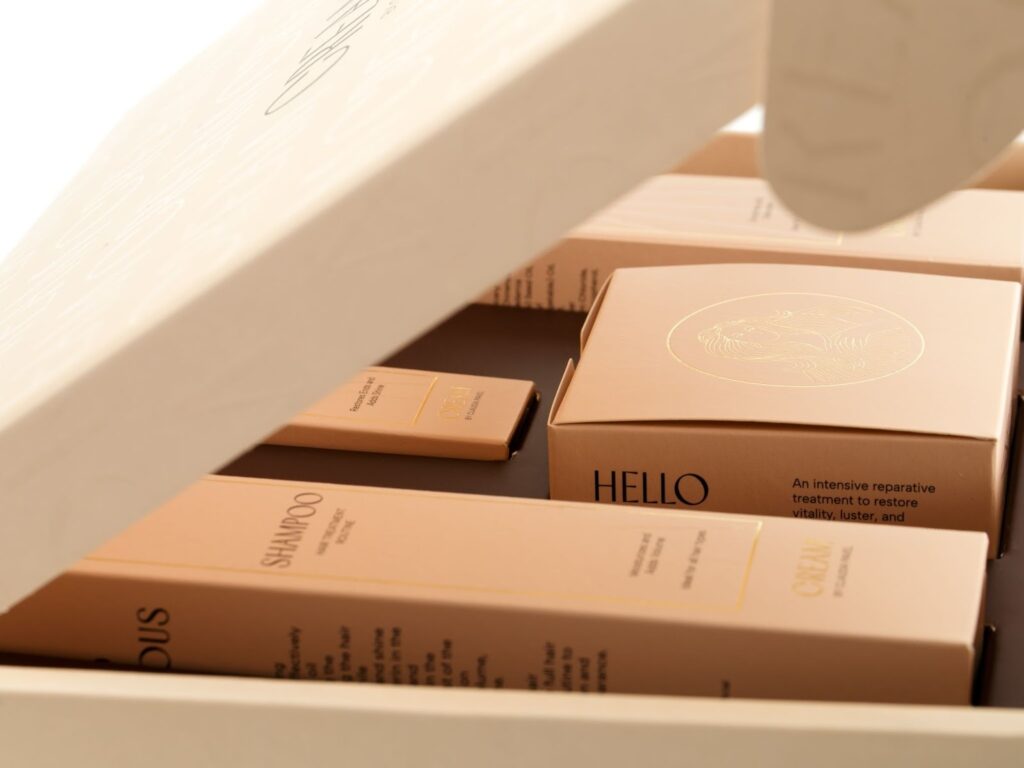
Today, packaging demands more than just product protection – it is increasingly becoming an inseparable part of the consumer experience. Consumers expect the product to not only look attractive but also be convenient to use. Companies focus on ergonomics, a clear user experience, and functionality: for example, the ease and convenience of opening, closing, disposing of, or recycling packaging become criteria just as important as product protection, design, or price.
What this means in practice:
- Easy-to-open and ergonomic packaging. It is important for the consumer that the packaging is easy to open, close, dispose of or recycle. Convenience becomes part of the value of the product.
- Optimised design. In 2026, the principle of "less is more" will increasingly prevail - where every element has a purpose and meaning.
- Multi-purpose packaging. Packaging that protects the product and performs additional functions by becoming a display element, an information carrier or a reuse solution.
Such solutions allow businesses to offer more than just a product. Packaging becomes part of the consumer experience, reinforcing the brand image, encouraging loyalty and creating added value.
Personalisation
In today's marketplace, consumers increasingly expect a more personal and unique experience and product, and personalisation is fast becoming a daily reality for even smaller brands. Packaging is no longer the same for everyone. It can change depending on the campaign, the season or the specific needs of the consumer.
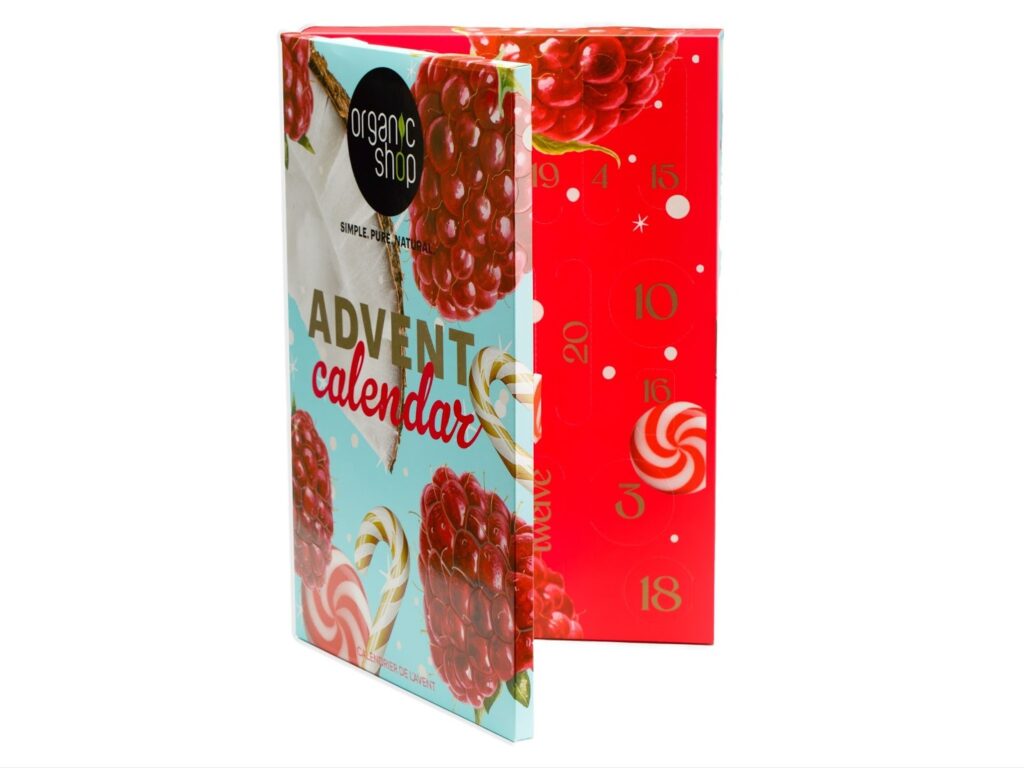
What's happening in the market:
- Packaging as a marketing channel. Several types of designs at the same time, with packaging becoming a more personal approach to different types of consumers.
- Quickly react to a season or campaign. Limited edition packs, special visuals or personalised messages allow brands to stay relevant and capture consumer attention.
This trend is particularly favourable for niche businesses that want to stand out and connect more closely with their audience. Personalised packaging is becoming an effective marketing tool to build long-term consumer loyalty.
Technology in packaging
Technology is increasingly moving into the world of packaging, changing design and the user experience. Packaging is becoming a channel for digital communication, traceability and consumer engagement. It can tell stories, provide additional information and create a direct connection with the consumer. These innovations open up new opportunities for brands to differentiate themselves and engage their audience in a unique, interactive way.
Main trends:
- QR codes. Consumers can scan the packaging and instantly find out the product's origin, composition, supply chain or even processing instructions. This creates transparency and trust.
- Augmented reality (AR). Packaging becomes interactive - scanned with your phone, it reveals stories, virtual layers of content or gamified elements. This brings the physical product to digital life.
- Artificial intelligence in creation and optimisation. AI helps design, select the most efficient materials, reduce waste and even predict consumer reactions to packaging solutions.
Such technological solutions increase convenience, user engagement, and provide businesses with valuable insights, enabling continuous product improvement and the creation of a competitive advantage.
The "Less waste" logistics model
Last but not least, more efficient logistics and adapted packaging designs. When packaging is lighter, more compact and optimised for transport and storage, both costs and environmental impacts are reduced.
This packaging makes more efficient use of vehicle and warehouse space, reducing the number of journeys and energy consumption. In addition, sustainable designs often provide better protection for goods and reduce the risk of errors, resulting in fewer losses in the supply chain.
Companies investing in "less waste" logistics save costs and, at the same time, strengthen their image as responsible and innovative players in the market.
Key principles:
- Thinner and lighter packaging. Using less material reduces transport weight, which also reduces CO₂ emissions. It also makes more efficient use of space in warehouses and throughout the logistics chain.
- Glued packaging structures. Packaging that can be transported flat or ultra-compact, and then expanded or unfolded on site. This is particularly useful for the e-commerce and retail sectors.
Companies that implement less waste logistics models now will have lower transport costs and a stronger sustainability image in 2026, which will soon become a competitive advantage in the market.
Practical advice for businesses: what to do now?
Following trends is good, but it is even more important to act. The packaging sector is changing fast, so businesses that start making changes now will be several steps ahead in 2026. Sustainability, functionality and technology are no longer plans for the future, they are tasks we should be doing today.
What you can do today:
- Take stock of your current packaging. Do your solutions meet the sustainability and efficiency requirements that will become standard in 2026? Are the design and materials optimised for your business processes, logistics, consumption and recycling?
- Test sustainable design prototypes. Whenever possible, opt for mono-materials and design solutions with as few different materials as possible – replace laminating film with varnish, forego designs with plastic handles or textile straps, as these can easily be replaced with cardboard solutions.
- Choose a packaging manufacturing partner that combines development, design and production. The best results are achieved when design and production go hand in hand, especially if the partner has experience in developing sustainable, innovative packaging.
- Integrate functionality and design principles. It's important to calculate material savings, but it's even more important to ensure that the packaging is convenient, clear and useful for the business and the consumer.
- Include technological solutions. QR codes, traceability tags, even on a small scale, can improve the user experience and enhance brand image.
Today's decisions will determine how your business looks in a year or two. So if you want to make sure your packaging is already in line with the upcoming trends of 2026, contact Trustpack for consultation.
"Trustpack - your packaging partner“
Modern packaging is a strategic tool combining design, technology, and business values. A well-thought-out solution helps reduce environmental impact and strengthens trust and image in the market. If you want your company's packaging to meet next-generation standards and contribute to business growth, fill in the query "Trustpack". We'll help your business implement solutions that reflect the trends of 2026 and your brand vision.