








In today’s cosmetics market, standing out has become increasingly difficult. New brands enter the space every day, shelves are crowded with visually similar products, and customers make decisions in seconds. In this environment, packaging is no longer just a protective layer — it is one of the most powerful tools a cosmetics brand has to differentiate itself.
Packaging is often the first physical interaction a customer has with a cosmetic product. Before a formula is tested or a promise is believed, the box, structure, and finish already communicate quality, credibility, and positioning. Well-designed cosmetic packaging sets expectations, builds trust, and signals whether a brand belongs in the mass market or the premium segment.
In this blog post, we’ll explore how cosmetic packaging can be used strategically to help brands stand out in a competitive market through visual design, structural quality, operational performance, and long-term scalability.
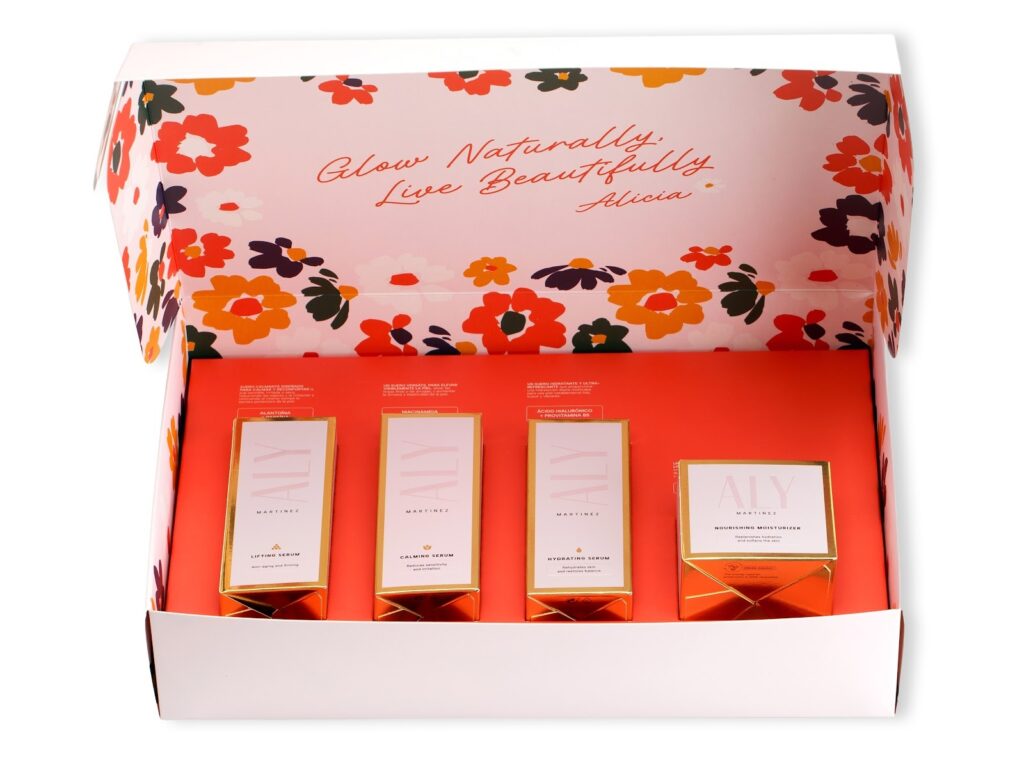
How Packaging in Cosmetics Differs from Other Packaging Markets
Cosmetic packaging is shaped by a unique combination of brand, operational, and customer expectations. Compared to other industries, it requires a higher level of precision and consistency at every stage.
- Higher expectations for visual and structural quality: Cosmetic packaging is closely tied to brand trust. Customers expect clean lines, precise structures, and flawless presentation. Even small defects or inconsistencies can negatively impact perceived product quality.
- Stronger link between packaging and brand positioning: In cosmetics, packaging is not just functional — it communicates whether a brand is premium, professional, or mass-market. Structure, materials, and finishes play a major role in reinforcing brand identity.
- Tighter tolerances and attention to detail: Cosmetic products often require packaging that holds its shape perfectly and protects sensitive contents. Structural stability and accuracy are more critical than in many other packaging segments.
- Balance between aesthetics and operational performance: Unlike purely functional packaging, cosmetic packaging must look refined while still performing well during packing, storage, and transport. The structure needs to support both visual appeal and efficient handling.
- Multi-channel use increases complexity: Cosmetic packaging often needs to work across retail shelves, e-commerce shipments, gifting, and professional environments. One packaging solution must deliver consistent quality in all contexts.
Because of these requirements, cosmetic packaging cannot be approached in the same way as standard or industrial packaging. It demands solutions that align brand perception, operational efficiency, and long-term reliability.
Why Packaging Is Often the First Brand Experience
For many cosmetics brands, packaging is the first moment where the brand becomes tangible. Long before a customer tests the product itself, they see, touch, and interact with the packaging. This first physical contact plays a decisive role in how the brand is perceived and remembered.
Customers form instant judgments based on packaging quality, materials, structure, and print execution. A well-made box suggests attention to detail, consistency, and reliability, while poorly constructed or generic packaging can raise doubts — even if the product inside is high quality. In a market where trust is essential, especially in cosmetics, packaging becomes a silent but powerful credibility signal.
Packaging also sets expectations before the product is ever used. The weight of the box, the way it opens, the precision of its structure, and the overall finish all communicate what kind of experience the customer should expect. Premium-looking packaging prepares the customer for a premium product, while inconsistent or flimsy packaging can undermine even strong brand claims.
When packaging is treated as a strategic brand experience rather than a technical afterthought, it helps cosmetics brands establish trust, communicate value, and position themselves clearly from the very first interaction.
Visual Differentiation in a Saturated Cosmetics Market
In a category where shelves and online stores are filled with competing products, visual differentiation is essential — but it does not mean overdesigning. The most effective cosmetic packaging stands out through clarity, consistency, and quality rather than visual noise.
Consistent Brand Language Through Packaging
Strong cosmetic brands use packaging as an extension of their overall visual identity. Colours, typography, layout, and structural choices should align seamlessly with the brand’s positioning and communication across all channels. When packaging follows a clear and consistent brand language, it becomes instantly recognisable and reinforces brand recall, even in crowded retail environments.
Consistency also signals professionalism. A well-aligned packaging system shows that the brand is deliberate and mature, which builds confidence among consumers who often associate visual coherence with product reliability and quality.
Premium Finishes, Materials, and Print Quality
Materials and finishing details play a major role in how cosmetic packaging is perceived. High-quality board, precise die-cutting, and refined printing elevate the look and feel of the product without needing complex graphics. Subtle finishes such as matte coatings, soft-touch surfaces, or selective varnishes can communicate premium value through texture and restraint.
Print quality is equally important. Clean edges, accurate colour reproduction, and sharp details signal technical excellence and attention to detail — qualities that customers expect from cosmetics brands, especially in the premium and professional segments.
Why Subtlety Often Outperforms Loud Design in Cosmetics
In cosmetics, subtlety often communicates confidence. Overly busy designs, excessive colours, or heavy graphics can dilute brand identity and make packaging feel less refined. In contrast, restrained design choices allow materials, structure, and finishing to do the work, creating a sense of elegance and trust.
Subtle packaging also ages better. It remains relevant across product launches, seasonal campaigns, and brand growth, reducing the need for frequent redesigns. For cosmetics brands looking to stand out sustainably, visual restraint paired with high-quality execution is often the most effective strategy.
Structural Design That Supports Brand Positioning
In cosmetic packaging, structural design is more than a technical necessity — it is a direct extension of brand positioning. While visual design attracts attention, the way packaging is built determines how the brand is experienced once the product is in hand.
Packaging structure has a strong influence on perceived value. A box that feels solid, opens smoothly, and holds its shape communicates quality and care, reinforcing the idea that the product inside is premium and trustworthy. Conversely, packaging that bends, shifts, or feels unstable can undermine even the most refined visual design, creating a disconnect between brand promise and reality.
Stability, precision, and tactile quality play a crucial role in this perception. Clean folds, accurate alignment, and balanced proportions create a sense of order and professionalism. When packaging feels deliberate and well-engineered, customers associate the brand with reliability and expertise — qualities that are especially important in the cosmetics sector, where trust is a key driver of purchase decisions.
The difference between “good-looking” and “well-built” packaging often becomes apparent only through use. Good-looking packaging may photograph well, but well-built packaging performs consistently throughout handling, transport, storage, and repeated interaction. For cosmetic brands aiming to position themselves as premium or high-quality, structural integrity is not optional — it is part of the brand message itself.
Packaging That Performs Well Behind the Scenes
What customers don’t see still has a direct impact on how a brand performs. Behind every well-presented cosmetic product is a packing process that must be efficient, repeatable, and reliable. Packaging that works well internally helps brands maintain quality and consistency at scale.
Packing Efficiency and Repeatability
Well-designed packaging supports fast and predictable packing. Clear structures, stable forms, and logical folding sequences allow teams to pack products quickly and consistently, whether packing is manual or semi-automated. When packaging behaves the same way every time, it reduces variation and ensures that each product reaches the customer in the same condition and presentation.
How Inefficient Packaging Creates Hidden Operational Friction
Inefficient packaging introduces small delays that add up over time. Extra folding steps, unstable structures, or unclear assembly increase packing time, slow down workflows, and create unnecessary strain on staff. These issues often remain invisible on paper but become costly in daily operations through higher labour costs, bottlenecks, and avoidable errors.
Why Smooth Internal Processes Protect Brand Consistency
When internal processes run smoothly, brands gain better control over their output. Consistent packing leads to uniform presentation, fewer damaged products, and fewer last-minute fixes. This operational stability helps protect brand consistency across batches, channels, and markets — ensuring that what customers receive always matches the brand promise communicated through the packaging itself.
Packaging performance is not limited to what the customer sees on the shelf. Behind the scenes, the way packaging behaves during packing has a direct impact on efficiency, consistency, and overall operational stability. For cosmetic brands, packaging that supports smooth internal processes helps reduce friction, control costs, and maintain a reliable brand experience at scale.
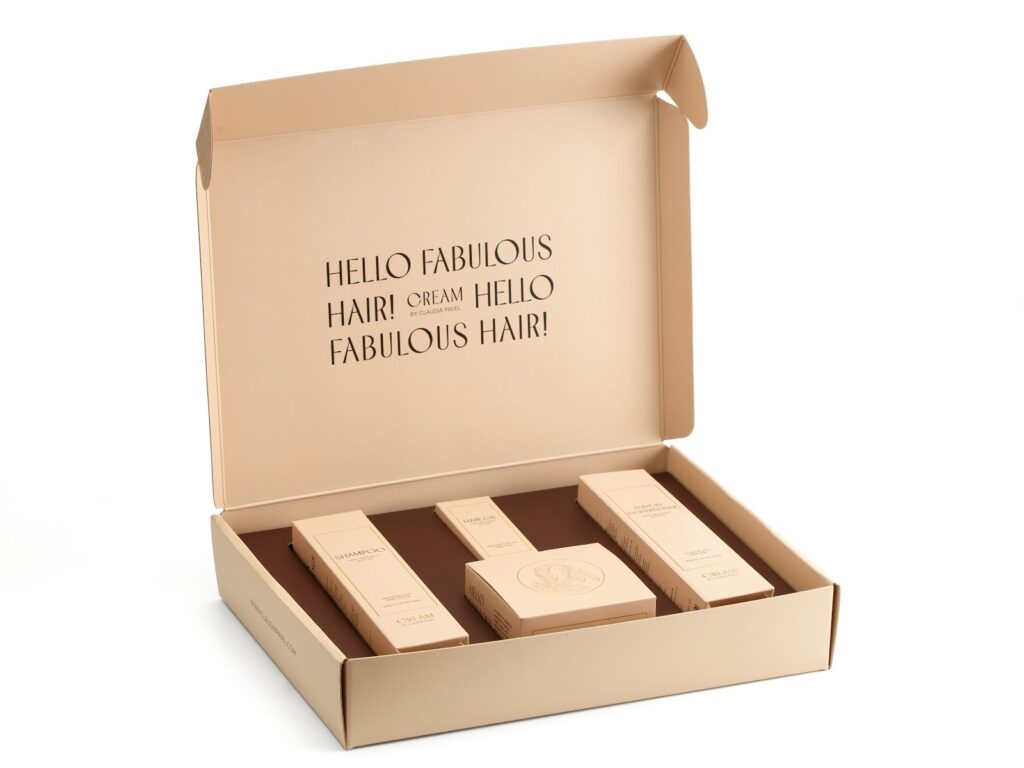
Trustpack Cosmetics Packaging Solutions
At Trustpack, cosmetic packaging is developed with a clear understanding that structure, quality, and efficiency all influence brand success. Packaging is designed not only to look premium, but to perform reliably in real production and packing environments.
With in-house manufacturing, advanced printing and finishing capabilities, and experience across premium and large-scale cosmetic packaging projects, Trustpack supports brands that value consistency, scalability, and long-term reliability. Every solution is created to align with the product’s requirements, brand positioning, and operational needs.
If you are looking for a packaging partner who understands cosmetic packaging beyond design, contact Trustpack to discuss your packaging needs and explore solutions built for growth and consistency.