








When companies think about packaging, the focus often goes first to design, price, or sustainability. However, one of the most critical elements - packaging structural design - This is understandable, as structure is not something the end customer consciously notices. Yet it has a direct impact not only on customer experience, but more importantly on how fast, smoothly, and efficiently internal processes operate.
In a B2B environment, packaging is not just a product "shell". It is an integral part of the production process. Even small structural decisions can significantly influence how long it takes to pack a single product and how many resources are required to do so.
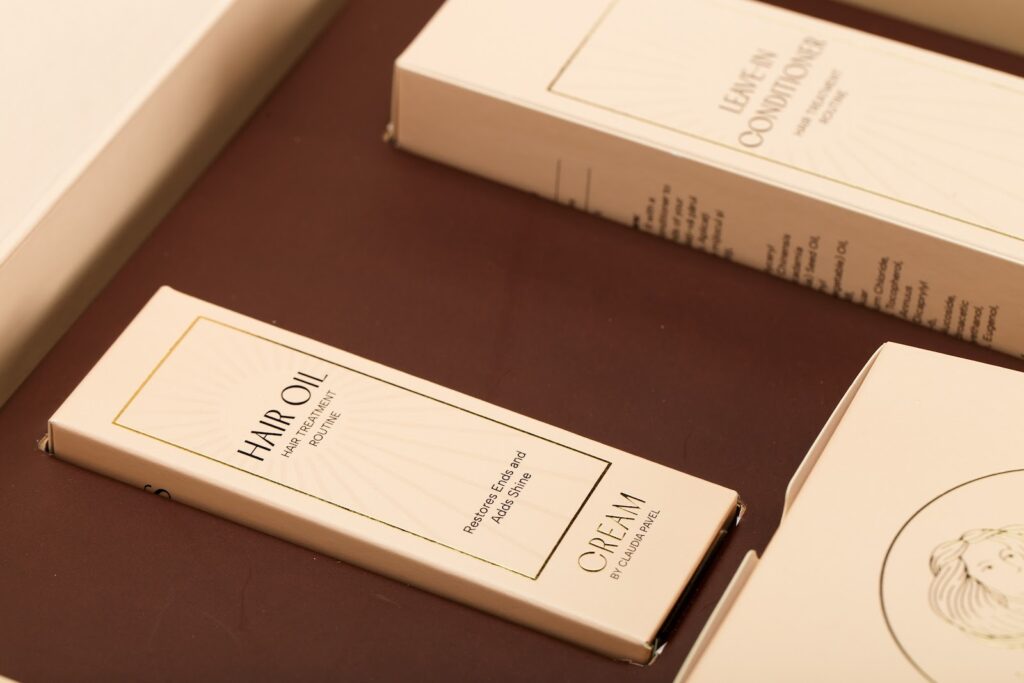
Why Packaging Structure Has a Direct Impact on the Packing Process
Packaging structure affects far more than how a product looks on the shelf or how it is transported. It directly shapes how the packing process itself works - how many actions are required, how much time is spent, and how many people need to be involved. For businesses that pack dozens, hundreds, or thousands of products every day, structural decisions become a critical factor in overall production efficiency.
When packaging is designed with real-world use in mind, the packaging process becomes smooth and predictable. When it is not, even visually attractive packaging can turn into an inefficient and costly bottleneck that slows operations and increases expenses.
Packing Speed as a Measurable Business Metric
Packing speed is often perceived as a minor detail, but in reality it is one of the most measurable and impactful operational metrics. Packaging structure determines how many seconds it takes to pack a single product - whether the packaging requires extensive manual folding, how quickly it holds its shape, and whether additional steps are needed during packing.
When a difference of just a few seconds is repeated hundreds or thousands of times per day, it quickly adds up to hours of work, additional shifts, or a higher staffing requirement. An efficient packaging structure allows companies to increase daily packing output without additional resources, directly improving operational efficiency and reducing cost per unit.
Process Simplification and Error Reduction
Packaging structure also has a significant impact on process simplicity and operational stability. Clear, logical, and structurally stable packaging designs allow employees to quickly understand the required sequence of actions and perform packing tasks consistently every time. This becomes especially important in environments where multiple people are involved in packing or where staff turnover is common.
When packaging is complex or unstable, the risk of human error increases. This can result in incorrectly assembled packaging, insufficient product protection, or the need to redo work. Such errors not only slow down the packing process but also lead to higher material waste and unplanned operational costs.
A well-designed packaging structure helps reduce rework, ensures consistent quality, and allows packing processes to be standardised across teams and shifts.
In short, packaging structure and the packing process are inseparable. When structure is designed with real-world use in mind, it becomes not an additional challenge, but a practical tool that enables faster, more stable, and more efficient operations.
Glued Packaging: When a Structural Decision Becomes a Competitive Advantage
Glued packaging is often mistakenly seen as merely a more convenient or aesthetic option. In reality, its value for businesses lies elsewhere. It is a structural choice that directly impacts packing speed, process stability, and overall production efficiency. For this reason, glued packaging should be viewed not only as a technical solution, but as a strategic decision for growing B2B companies.
When packaging arrives partially pre-assembled, the packing process becomes simpler, faster, and easier to control.
Faster Packing and Higher Production Efficiency
One of the key advantages of glued packaging is a significantly reduced packing time. Unlike fully manual, fold-and-assemble packaging, glued structures require fewer actions from the operator, allowing each product to be packed more quickly and consistently.
This is especially important for businesses handling larger volumes or experiencing seasonal packing peaks. A faster packing process makes it possible to:
- increase the number of products packed per shift,
- avoid additional working hours or overtime,
- use existing human resources more efficiently.
As a result, glued packaging enables companies to scale volumes without increasing costs at the same rate.
Standardised Processes Instead of Manual Work
Glued packaging supports the creation of a predictable and standardised packing process. When the structure is clear and stable, employees do not need to improvise or adapt to different situations. Each packing step is performed in the same way, delivering consistent results.
This is particularly valuable in environments where:
- multiple packing operators are involved,
- staff turnover occurs,
- new employees need to be trained quickly.
A standardised process reduces the risk of errors, ensures consistent packaging quality, and makes it easier to plan and manage production capacity.
How Packaging Structure Reduces Costs
Structural decisions directly influence operational costs, affecting labour, storage, and logistics. When structure is designed with efficiency in mind, packaging becomes a cost-control tool rather than an additional expense. Poorly chosen constructions tend to shift costs into daily operations, while well-designed structures help keep processes predictable and scalable.
Less Labour Time Means Lower Costs
Labour is one of the most significant cost drivers in packing operations. The more complex a packaging structure is, the more time and manual effort is required to assemble it. Clear, well-designed constructions reduce the number of actions needed, allowing employees to work faster and with greater confidence.
Over time, even small time savings per unit translate into meaningful cost reductions. Faster packing reduces the need for overtime, simplifies shift planning, and allows existing teams to handle higher volumes without additional staffing. As a result, businesses can improve productivity while keeping labour costs under control.
Packaging Manufacturer from Lithuania | FSC® | 450M/yr | Trustpack
Professional B2B packaging manufacturer from Lithuania. ✓ 25 years experience ✓ FSC® ✓ FSSC 22000 ✓ 24/7 production ✓ Free quote within 24h. Request today!
Stable, compact packaging reduces the risk of damage during handling and delivery, helping to avoid losses, returns, and rework. These hidden costs are often underestimated, yet they can have a significant impact on overall profitability. Well-designed packaging structures support a smoother, more cost-efficient supply chain from production to delivery.
Label Production B2B | 500M labels/yr | FSC® | Trustpack
Dry label leader in the Baltics – 500M/yr. ✓ Roll Labels ✓ Sleeve labels ✓ FSC®. Get a quote!
Sustainability in packaging is often discussed as a separate, value-driven topic. In practice, however, many of the most effective sustainability gains come from operational efficiency. When packaging structures are designed to work faster and more reliably, environmental benefits follow naturally as a result of reduced time, energy use, and material waste. In this sense, sustainability is not an added layer on top of operations, but a direct outcome of smarter structural decisions.
Fewer Actions Mean Lower Energy and Resource Consumption
Printing Technologies | Heidelberg • Bobst • KBA Rapida | Trustpack Lithuania
Long-Term, Stable Solutions Instead of Short-Term Compromises
Sustainable Packaging | FSC® | ISO 14001 | EN 13430 | Trustpack
Trustpack sustainability – FSC® certified cardboard, recyclable materials, EN 13430. ✓ ISO 14001 ✓ Circular economy. Learn more!
In summary, efficient packaging structures support sustainability by design. Faster processes, reduced waste, and stable long-term solutions help businesses lower their environmental footprint while simultaneously improving operational performance.
Why Businesses Should Treat Packaging Structure as a Strategic Decision
Packaging should not be viewed as a standalone technical detail, but as an integral part of a company's production strategy. Structural decisions directly affect how easily operations can scale, how stable processes remain under higher volumes, and how efficiently resources are used as the business grows.
Packaging for Bulk Products | Grains, Nuts | Trustpack
For this reason, packaging decisions should be made in partnership with a manufacturer that understands production realities, not just packaging specifications. Working with a manufacturing partner who designs structures with efficiency, scalability, and process optimisation in mind allows businesses to build packaging solutions that support long-term growth rather than limit it.

The Trustpack Approach: Packaging Structures Designed for Efficient Packing
Packaging Design Service | From concept to print | Trustpack
Packaging design service – from concept to print-ready layout. ✓ Professional designers ✓ 25 years experience. Consultation!
If you are looking for packaging solutions that improve packing efficiency and support long-term growth, contact Trustpack B2B Packaging Production | 450M/yr | FSSC 22000 | Trustpack